If you're in the market for a distribution transformer, you've probably noticed the options can feel overwhelming. Oil-filled or dry-type? Pole-mounted or pad-mounted? Copper or aluminum windings? And what do all those efficiency ratings actually mean for your bottom line?
Here's the short version: getting the specification right saves you money over the life of the equipment. Getting it wrong costs you, sometimes for decades.
Start with the basics.
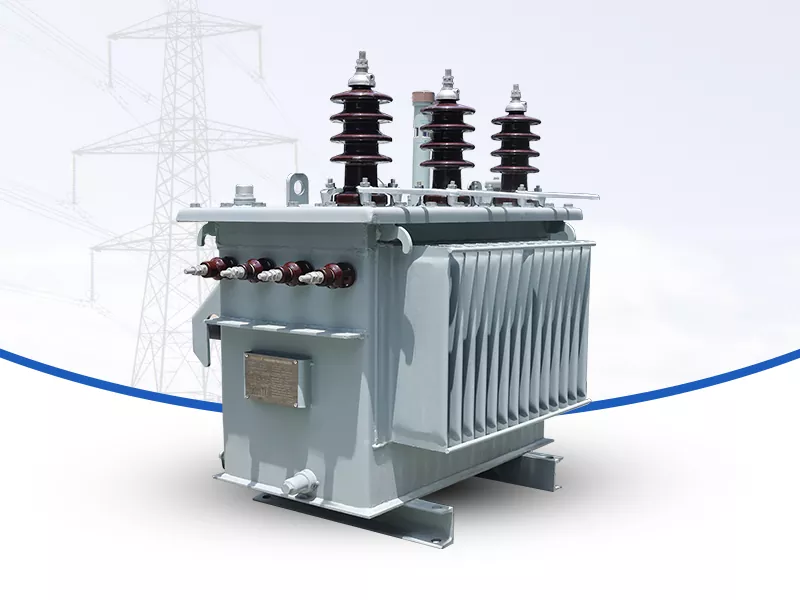
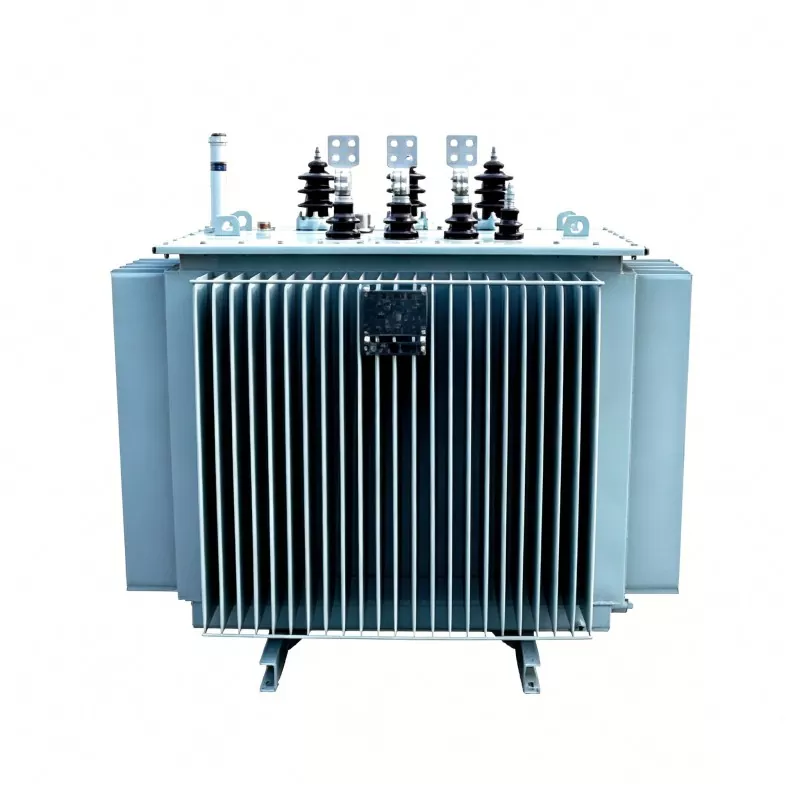
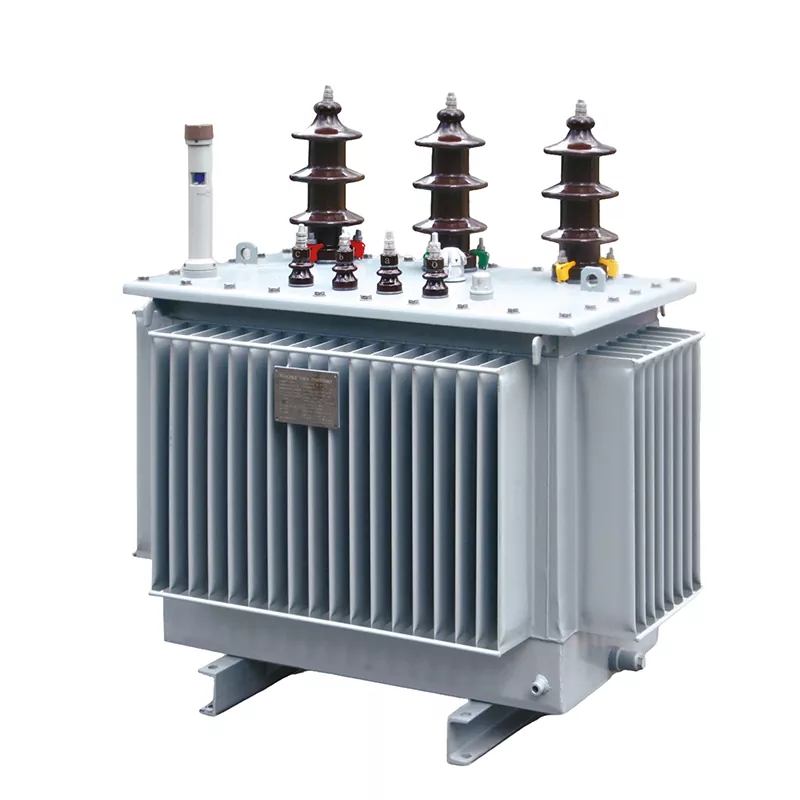
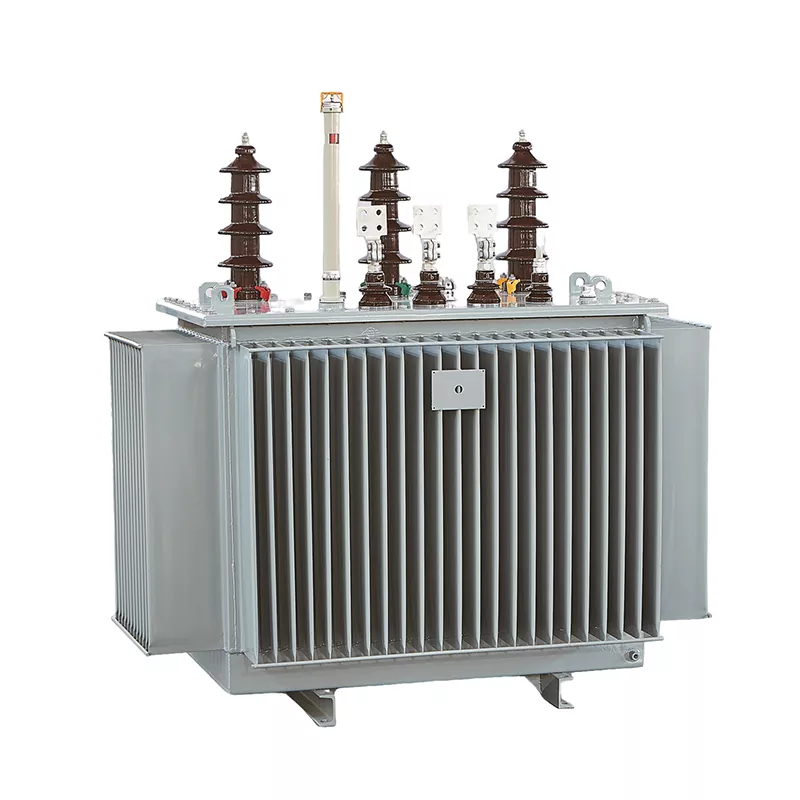
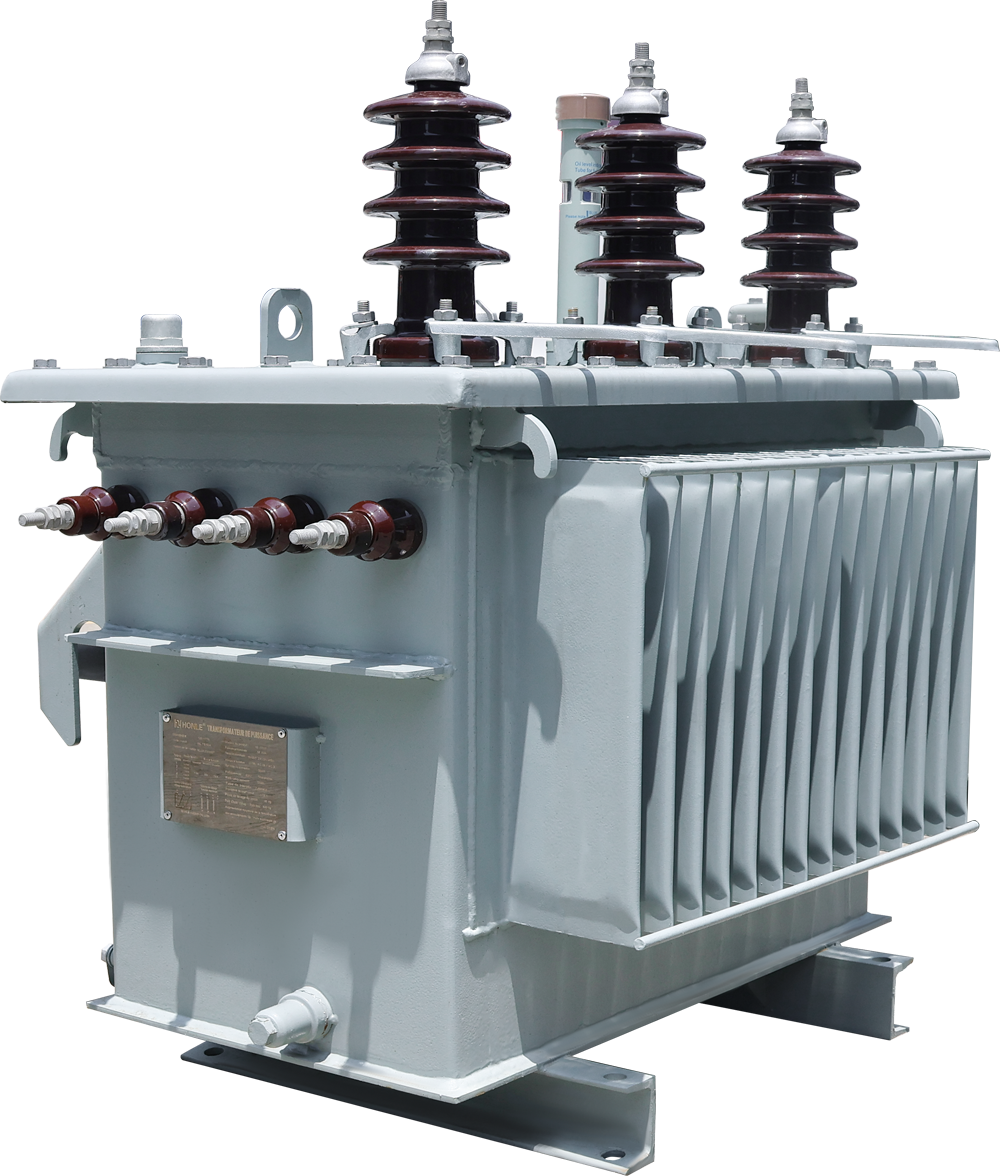
A distribution transformer steps voltage down from medium voltage (typically 11kV to 33kV) to low voltage that end users can actually use — 400V, 415V, or 120/240V depending on where you are. Unlike power transformers that move electricity between transmission grids, distribution transformers sit closer to the load. They're smaller, they run at lower voltages, and they're usually rated under 2.5 MVA.
The three questions we ask every buyer:
1. What's your actual load?
This sounds obvious, but it's where most people get tripped up. You don't size a transformer for peak load — you size it for typical load with some room to grow. If you oversize, you pay more upfront and you burn more no-load losses for years. Undersize it, and you'll be replacing it sooner than you planned. Most engineers aim for a long-term load rate around 60-70%.
2. What's your installation environment?
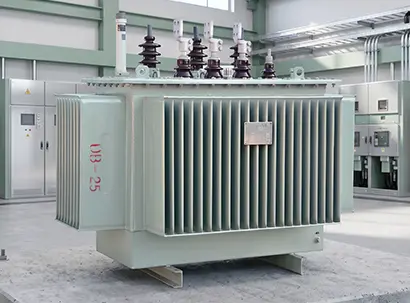
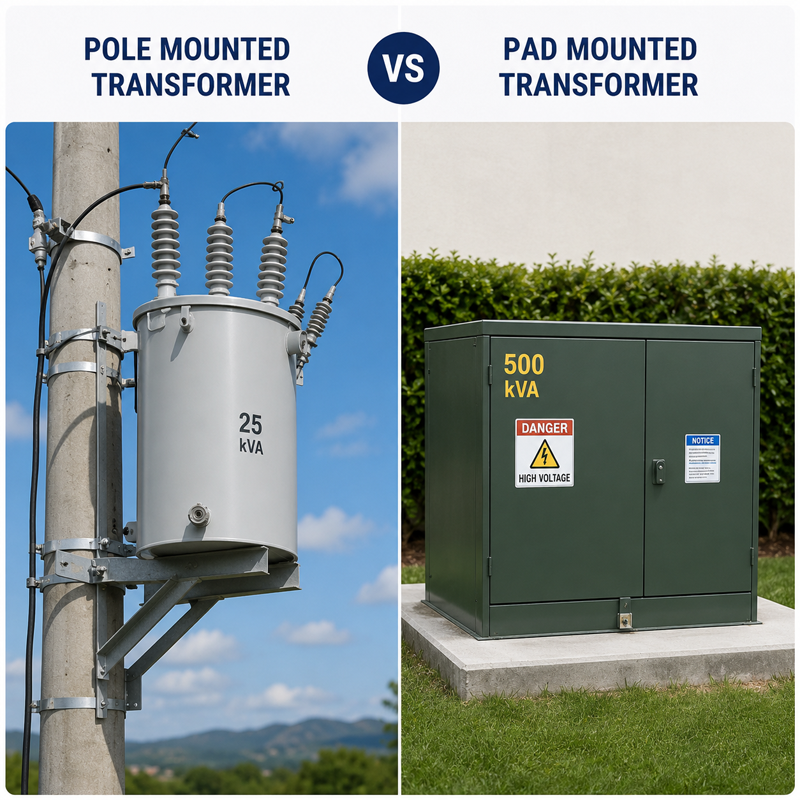
Pole-mounted transformers are cheaper and work fine for rural areas. Pad-mounted units cost more but make sense for urban settings where safety and aesthetics matter. Indoor installations usually call for dry-type transformers because they don't have oil to leak or burn. Outdoor installations can take oil-filled units, but you need to think about temperature extremes, humidity, and salt spray if you're near the coast.
3. What efficiency level makes sense for your operation?
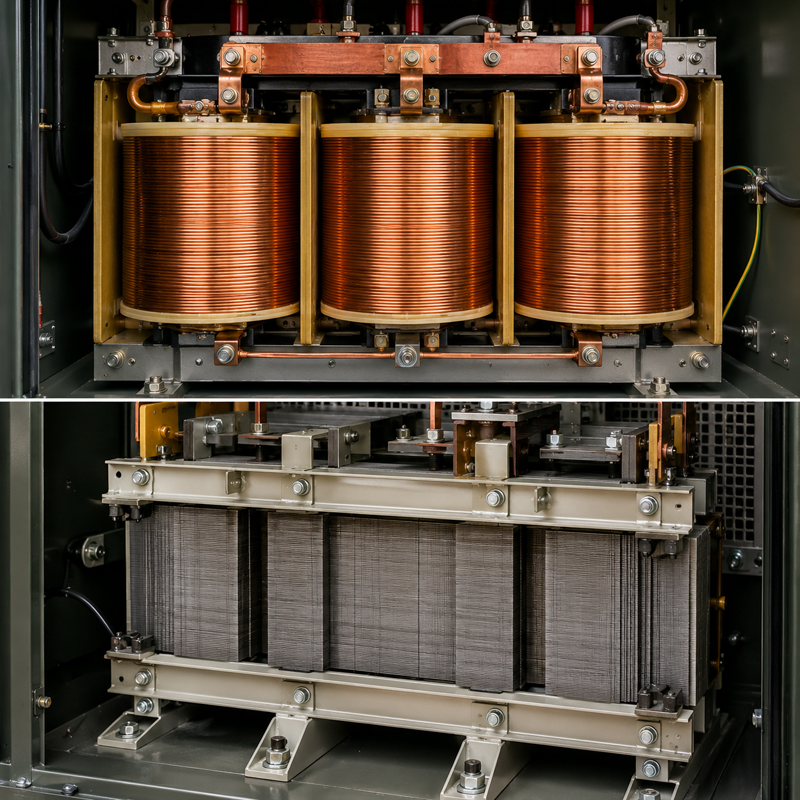
This is where the math gets interesting. Standard CRGO steel cores are the baseline. Amorphous metal cores cut no-load losses by roughly 70%, which adds up fast if your transformer runs at partial load for long stretches. The upfront cost is higher. The payback depends on your electricity rates and duty cycle.
The paperwork you should never skip.
IEC 60076 is the global standard for power transformers. If your supplier can't provide type test reports that meet it, walk away. You should also ask about routine test documentation and FAT (factory acceptance test) reports. ISO 9001 and 14001 certifications tell you something about how the factory runs — not everything, but enough to matter.
One more thing.
Transformer efficiency standards keep moving. In markets like the US, DOE 2025 rules set a new bar. In the EU, the Ecodesign regulations (548/2014 and its revisions) are the benchmark. If you're importing equipment, make sure your supplier knows what applies in your country.
The right transformer isn't complicated — it just takes thinking through the details before you write the PO. If you're not sure where to start, send us your load data and site conditions. We'll walk you through the options.